Flooring questions in Minnesota almost always come back to one thing: moisture. Winter air is extremely dry indoors, summers are humid, and basements sit against cold, damp soil. The same floor can look perfect in July and show gaps in February. Here's how luxury vinyl plank (LVP) and hardwood compare, and where each one belongs in your home.
Why Minnesota is hard on floors
Wood absorbs and releases moisture with the seasons.
In winter, heated indoor air gets very dry. Wood floors shrink, and gaps can open between boards.
In summer, humidity rises. Wood swells, and boards can cup, with the edges higher than the centers, if it's excessive.
Some seasonal movement in hardwood is normal and expected. Keeping indoor humidity reasonably steady year-round, with a humidifier in winter and air conditioning or a dehumidifier in summer, is the best thing you can do for any wood floor.
Luxury vinyl plank (LVP)
LVP is a layered product with a printed wood-look design, a clear wear layer on top, and a core underneath. Most of today's products are fully waterproof.
Two main types
Rigid core (SPC): a stone-plastic composite core that's very stable and dent-resistant. It's the better choice for spaces with big temperature swings, like sunrooms and seasonal cabins. (Check the manufacturer's rated temperature range if a space will go unheated.)
WPC: a softer, slightly thicker core that feels warmer and quieter underfoot
Pros
Waterproof, so it's ideal for basements, kitchens, bathrooms, entries, and mudrooms
Stands up well to kids, pets, and snowy boots
Doesn't react to seasonal humidity the way wood does
Very realistic looks in quality product lines
Typically less expensive than hardwood
Cons
Can't be refinished. When the wear layer wears through, it's replaced.
Quality varies widely. Compare wear layer thickness, since thicker means more durable, and choose a heavier wear layer for busy households and pets.
Heavy furniture can dent it, and dragged items can scratch it
Less long-term appeal to some buyers than real hardwood in main living areas
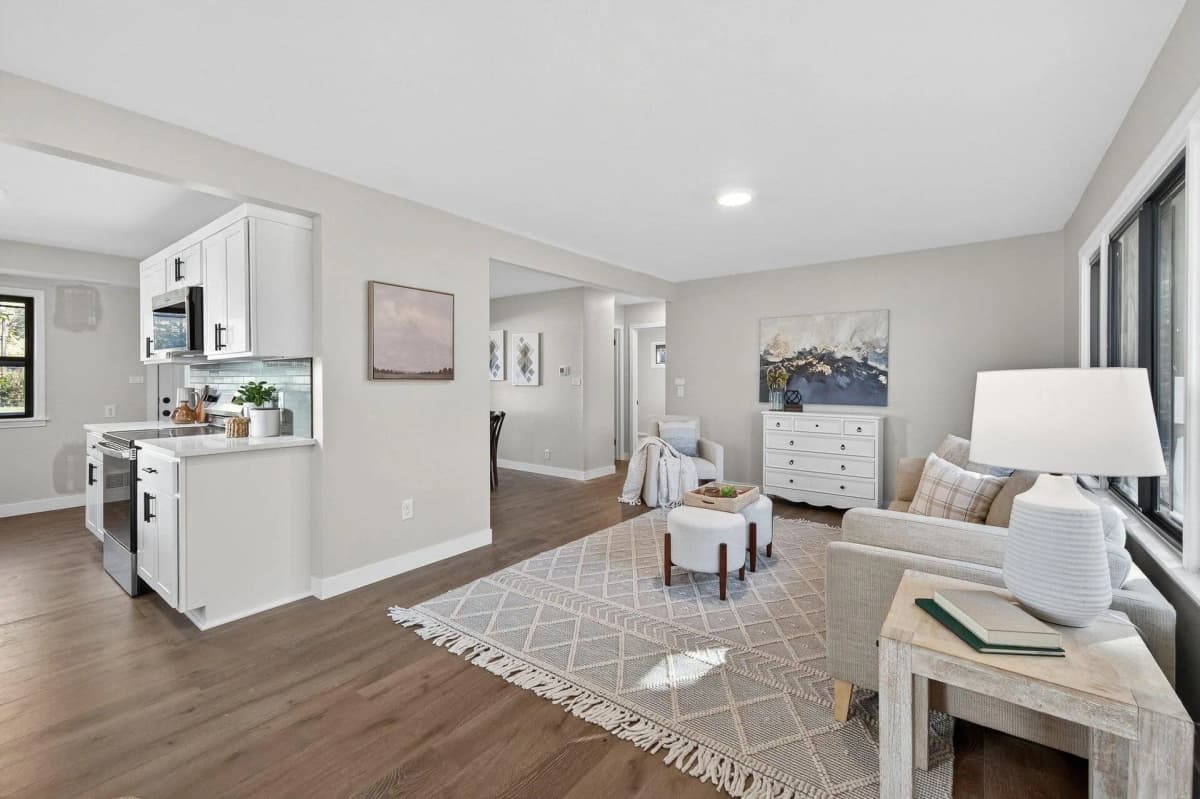
Hardwood
Solid hardwood
Solid boards milled from a single piece of wood.
Pros: can be sanded and refinished many times over its life; timeless and valued by buyers; warm, natural feel
Cons: moves the most with humidity; shouldn't be installed below grade (in basements) or directly on concrete; vulnerable to standing water and pet accidents
Engineered hardwood
A real hardwood top layer bonded to a plywood or composite core.
Pros: far more stable than solid wood through seasonal humidity swings, which makes it an excellent fit for Minnesota. It can be installed in some situations where solid wood can't, including over concrete and over many radiant heating systems.
Cons: can be refinished fewer times, depending on the thickness of the top layer
Species and finish
Oak remains the workhorse. It's hard, handles traffic well, and takes stain evenly. White oak in natural and lighter tones is especially popular right now. For homes with dogs, harder species, wire-brushed textures, and matte finishes hide scratches much better than glossy, smooth floors.
Room-by-room recommendations
Basement: LVP. It's below grade against concrete, where moisture is a given. Carpet is also common in basement living areas.
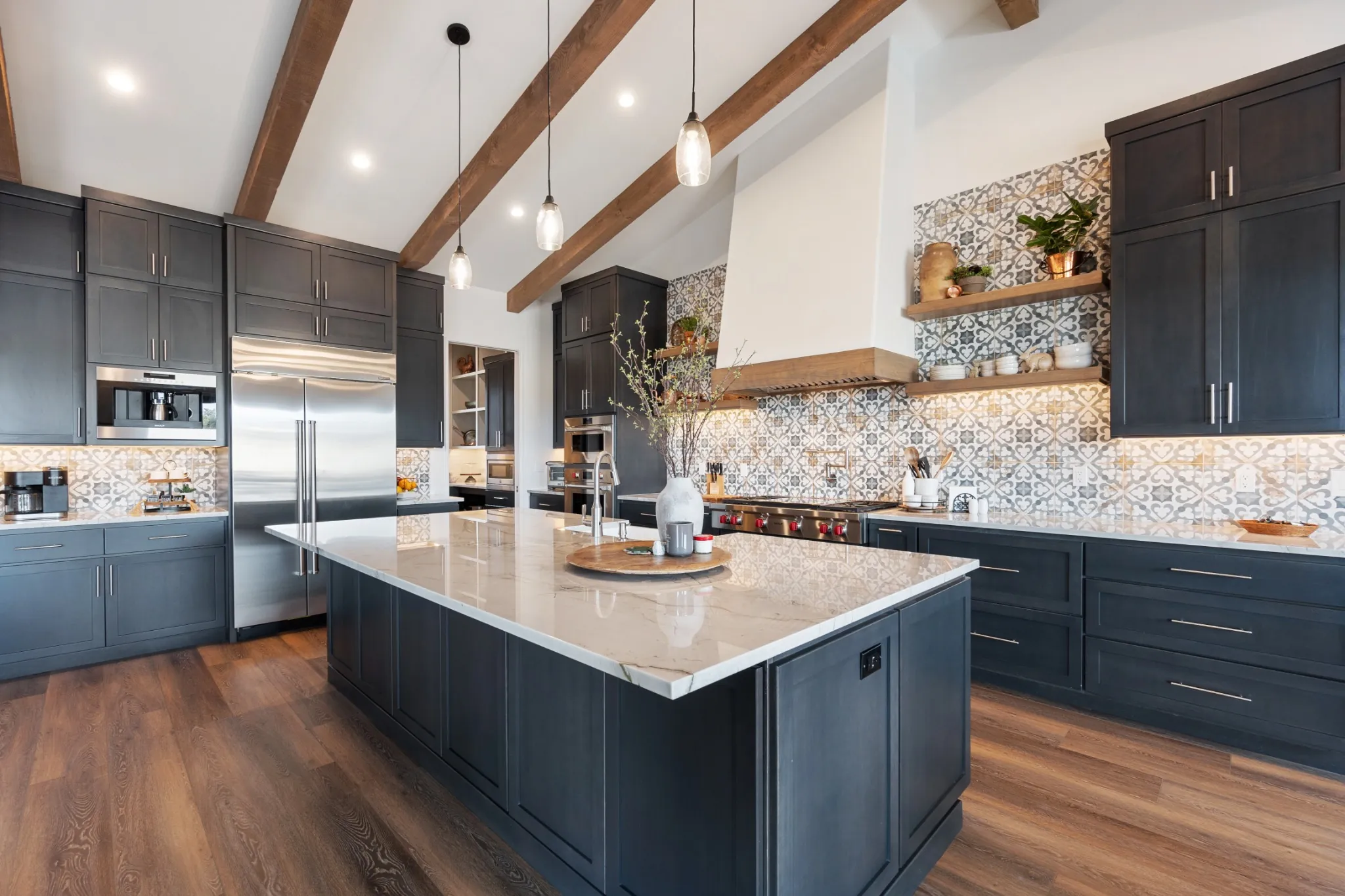
Kitchen: LVP or tile for easy care, and if you're planning a kitchen remodel, choose flooring early. Hardwood works if you're diligent about spills.
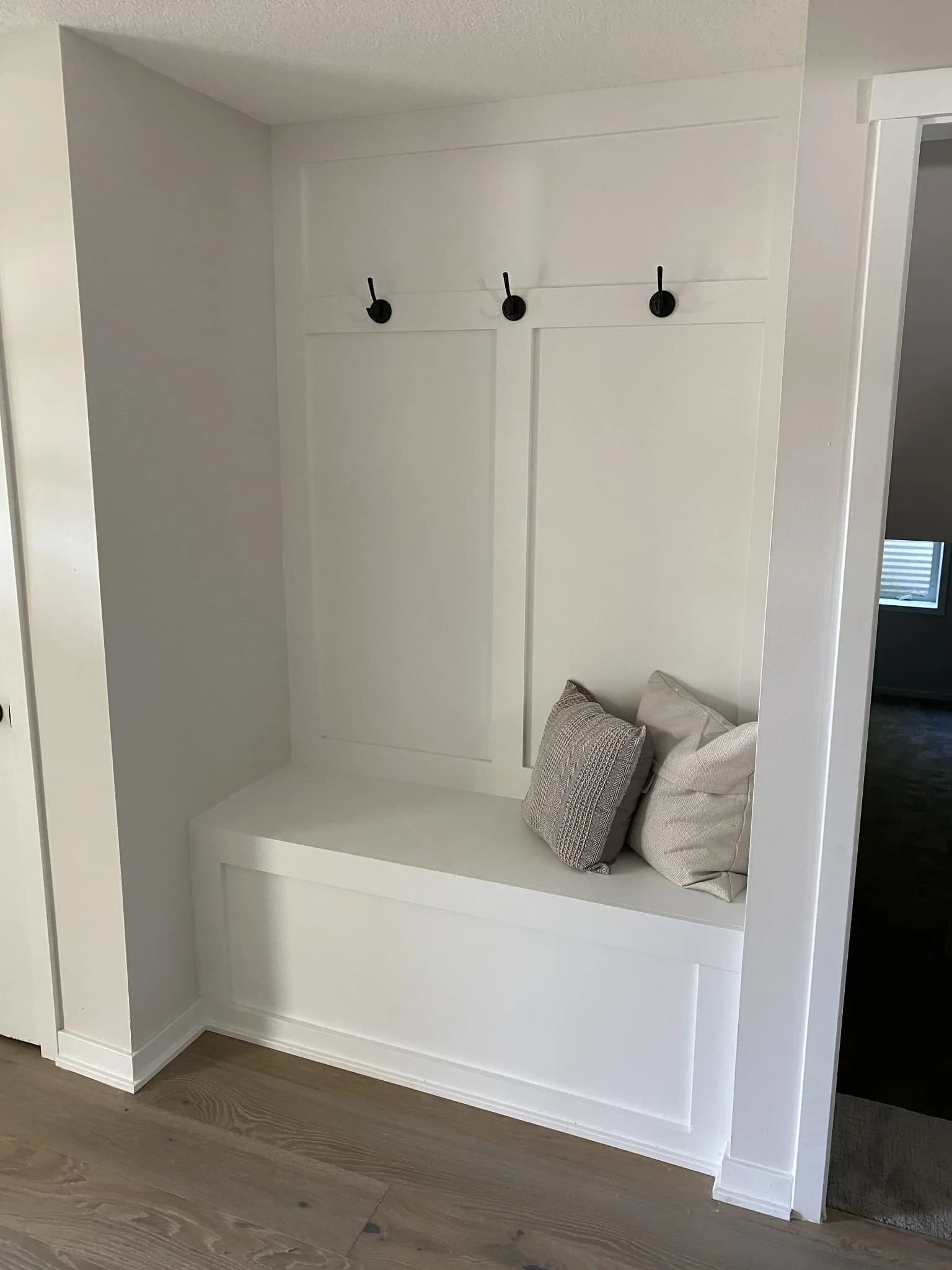
Entry and mudroom: tile or LVP. Snow, salt, and wet boots will ruin hardwood here. For mudroom ideas, see mudroom built-ins for Minnesota winters.
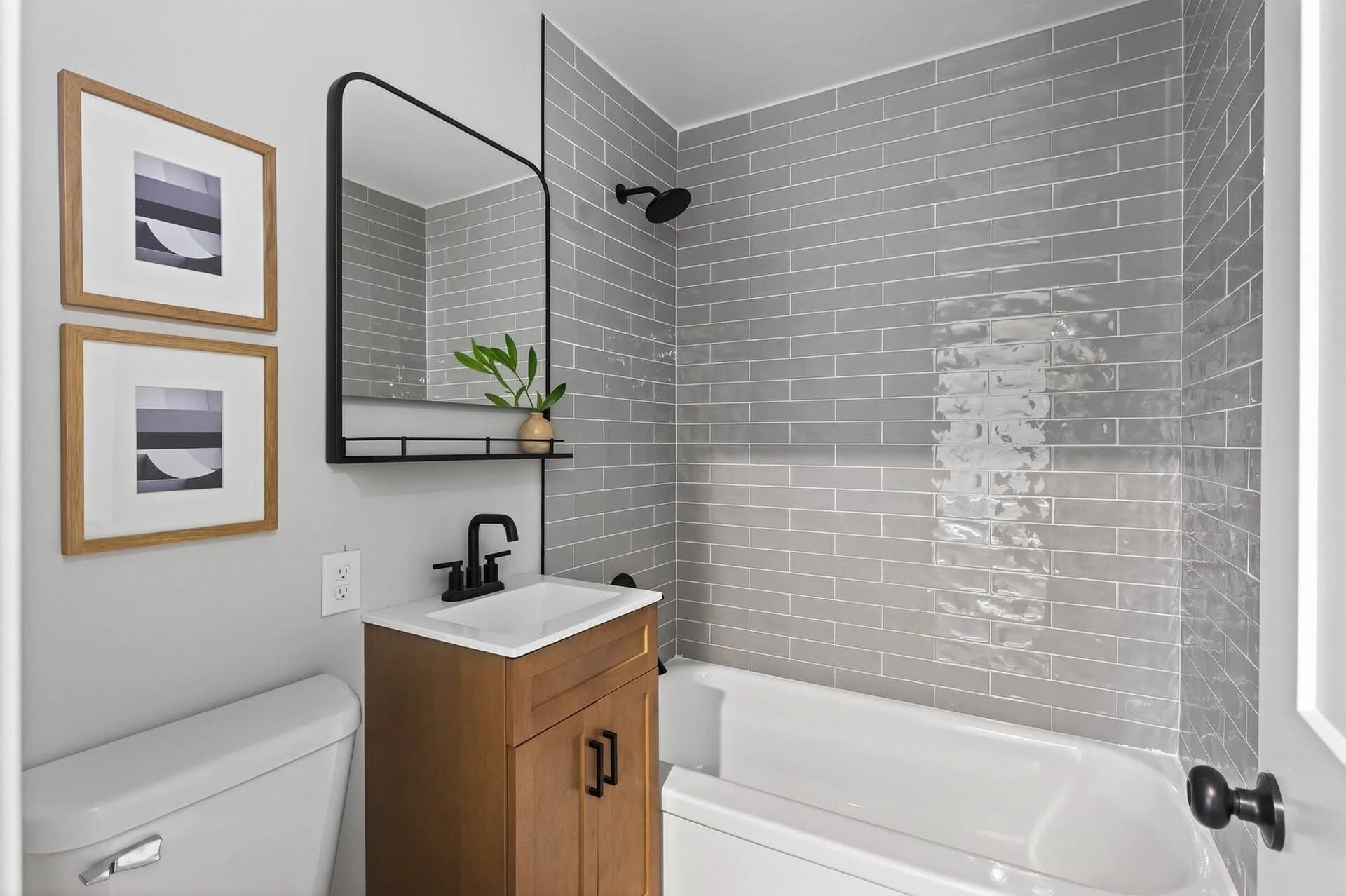
Bathrooms: tile or LVP, both easy to include in a bathroom remodel
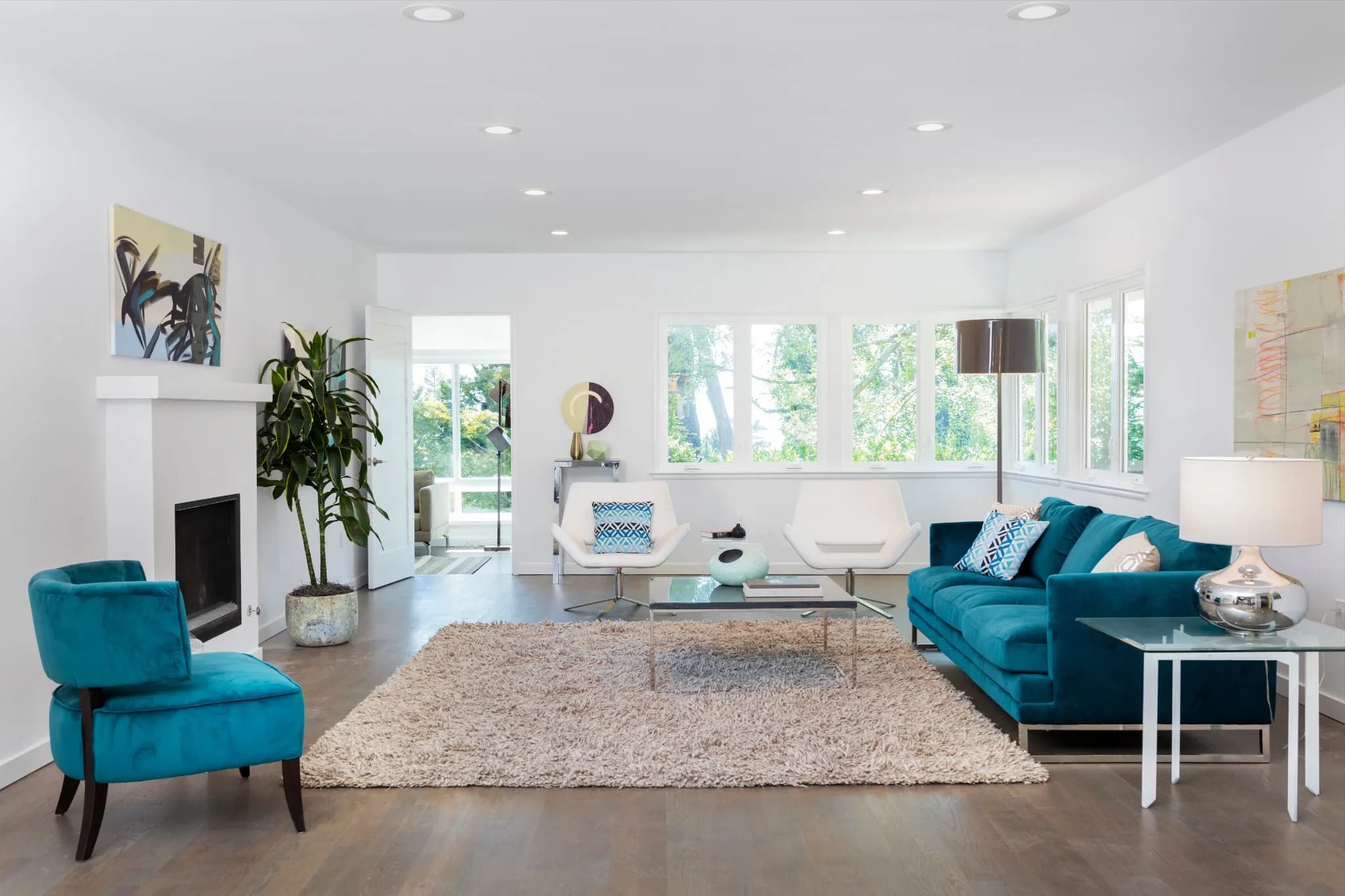
Living room, dining room, and bedrooms: hardwood or engineered hardwood if it's in the budget, and quality LVP if not
Cabin or three-season room: rigid core (SPC) LVP rated for the temperature range
Installation details that matter
Subfloor prep. Any flooring installation needs a flat, solid base. Uneven subfloors cause squeaks, gaps, and failed click joints.
Moisture testing. Concrete slabs and wood subfloors should be tested before installation, especially below grade.
Acclimation. Follow the manufacturer's instructions for letting materials adjust to your home before installation.
Expansion gaps. Every floating floor needs room at the edges to move. Trim and baseboards cover the gap.
Transitions. Plan clean transitions between rooms and flooring types, especially if you're switching materials at a doorway.
The bottom line
There's no single "best" floor. There's a best floor for each room. Many North Metro homes end up with both: hardwood or engineered wood in the main living spaces, and LVP in the basement, kitchen, and entries.
Finishing a basement? Our egress window guide covers another must-have for lower-level bedrooms.
Explore our flooring installation services, or request a free estimate and we'll help you choose.