Windows are where a Minnesota house feels winter first. Drafts, cold spots near the glass, frost creeping up the frames: it's no surprise that window replacement is one of the most common upgrades in the North Metro. It's also a purchase with a lot of jargon. This guide covers the choices that actually make a difference.
Signs it's time to replace
Drafts you can feel with the windows closed and locked
Fog or moisture between the panes, which means the seal has failed
Soft, rotting, or cracked frames and sills
Sashes that stick, won't stay open, or won't lock
Heavy frost or ice on the inside of the frames every winter
Single-pane glass or old aluminum frames
A note on condensation. Some condensation on the inside of the glass on the coldest days is usually about indoor humidity, not a bad window. Running bath and kitchen fans and turning down a humidifier often helps. But if ice builds up on the frames themselves, or water is damaging your sills, the windows aren't keeping up.
Frame materials
Vinyl
The most popular choice for replacement windows, and for good reason.
Pros: good insulating value, low maintenance, affordable
Cons: vinyl expands and contracts more than other materials; dark exterior colors need frames specifically designed for them; quality varies a lot between brands
What to look for: welded corners, multi-chamber frames, and reinforcement in larger units
Fiberglass
Fiberglass expands and contracts at nearly the same rate as the glass it holds, which makes it very stable through Minnesota's temperature swings.
Pros: strong and rigid, which allows narrower frames and more glass; handles dark colors well; can be painted; very durable
Cons: costs more than vinyl
Wood and clad-wood
Wood interiors bring warmth that other materials can't match, and the exterior is usually clad in aluminum or fiberglass so it doesn't need painting. Minnesota happens to be home to two of the country's best-known window manufacturers, Andersen in Bayport and Marvin in Warroad, so wood and clad-wood windows have deep roots here.
Pros: beautiful interiors, stainable or paintable, excellent for historic or traditional homes
Cons: the highest cost; interior wood needs care, especially in humid rooms
Glass: double pane or triple pane?
Double-pane glass with a low-E coating and argon gas fill is the standard for good reason. It's a big improvement over older windows and the right choice for most openings.
Triple-pane glass adds a third layer. The benefits are real:
The inside surface of the glass stays warmer, so it's more comfortable to sit near and less prone to condensation
Better sound blocking, useful near busy roads
Better performance on north-facing and windy walls
The honest trade-offs: triple-pane windows are heavier and cost more, and energy savings alone take a long time to pay back the difference. Many homeowners choose triple-pane selectively, for bedrooms, north walls, or large picture windows, rather than for the whole house.
Reading the label
Every window should carry an NFRC label. The numbers to compare:
U-factor: how well the window keeps heat in. Lower is better, and it's the most important number in our climate.
Solar Heat Gain Coefficient (SHGC): how much of the sun's heat comes through. In a cold climate, a moderate SHGC on south-facing windows can help warm your home on winter days.
ENERGY STAR: look for products certified for the Northern climate zone.
Window styles
Casement: cranks outward and seals tightly against the frame, which makes it great against Minnesota wind. It's also easy to open over a kitchen sink.
Double-hung: the traditional look, and both sashes tilt in for cleaning
Sliders: simple and affordable, good for wide, short openings
Awning: hinged at the top, so it can stay open in light rain
Picture: fixed glass for the biggest views and the best efficiency
Insert vs. full-frame replacement
Insert (pocket) replacement sets a new window inside the existing frame. It's faster and leaves interior trim and exterior finishes in place. It only works when the existing frame is solid and square, and you'll lose a little glass area.
Full-frame replacement removes the old window down to the rough opening. It costs more, but it lets your installer find and repair any hidden rot, insulate the gaps around the window, and flash the opening properly. We generally recommend full-frame when there's any sign of water damage, or when new siding is going on at the same time. More on that in our siding guide.
Installation matters as much as the window
A premium window installed poorly will still leak air and water. Good window installation includes:
A sill pan or sloped sill flashing to direct water out
Flashing tape properly integrated with the housewrap
Low-expansion foam or backer rod and sealant in the gaps, never stuffed fiberglass
Careful shimming so sashes operate smoothly and lock tightly
Can windows be replaced in winter?
Yes. Replacement is typically done one opening at a time, so each window is only open briefly, and the rest of the house stays closed up.
Our general recommendation
For most North Metro homes, a quality vinyl or fiberglass window with double-pane low-E and argon glass is the sweet spot. Add triple-pane where comfort or noise matters most, and choose full-frame installation when there's any doubt about what's behind the old trim.
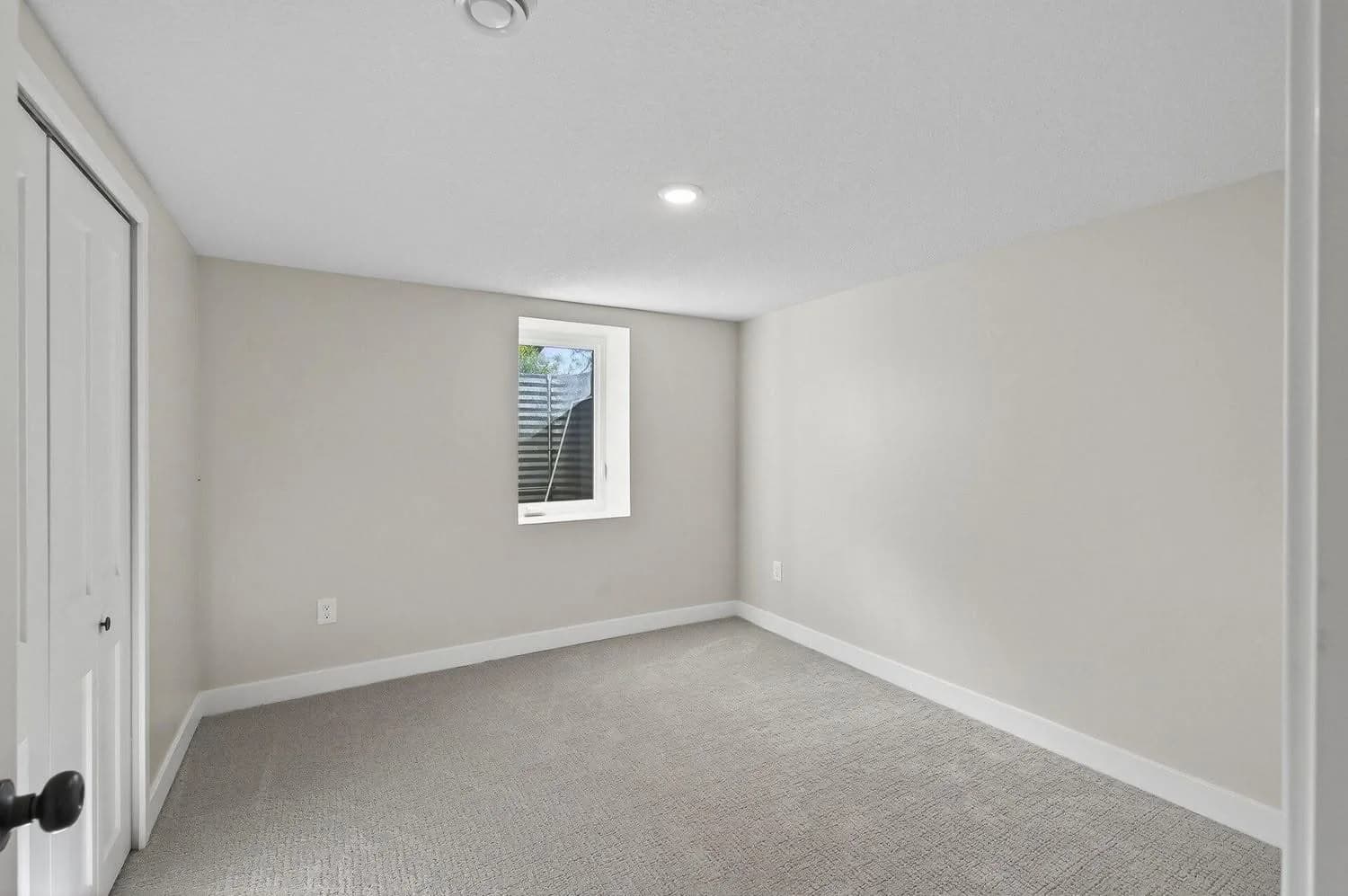
Finishing your basement? Basement bedrooms need a code-compliant escape window. See our guide to egress windows in Minnesota.
Ready to compare options for your home? Learn about our window replacement services or request a free estimate.