Siding in Minnesota has a harder job than in most of the country. It has to handle subzero January mornings, humid July afternoons, wind-driven rain, hail, and wide daily swings in spring and fall. The right choice depends on your budget, the look you want, and how much maintenance you're willing to do.
Here's how the main options compare for homes in Forest Lake and the North Metro.
What Minnesota siding has to survive
Freeze-thaw cycles. Water that gets into a material, then freezes and expands, breaks it down over time. Anything that absorbs moisture needs careful installation.
Extreme cold. Some materials become brittle in deep cold and crack more easily when something hits them.
Hail and impacts. Summer storms, plus ice thrown by snowblowers and plows.
Sun on south and west walls. These sides fade and weather fastest.
Moisture from inside. Warm, humid indoor air pushing out through walls in winter is why what goes behind the siding matters so much.
Vinyl siding
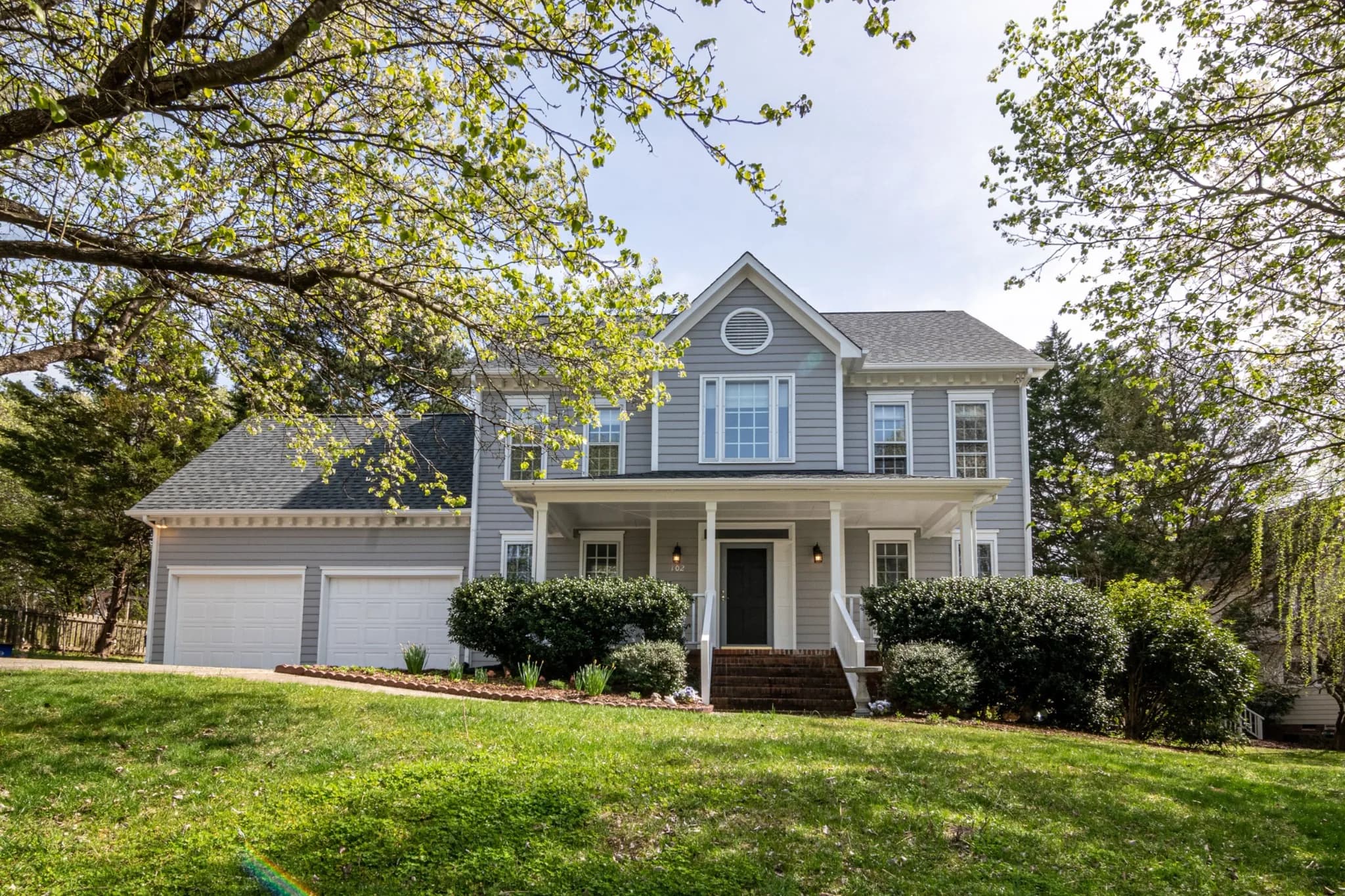
Vinyl is the most common siding in the metro, and modern products are a big step up from the thin, shiny vinyl of past decades.
Pros
Lowest cost of the durable options
Never needs painting
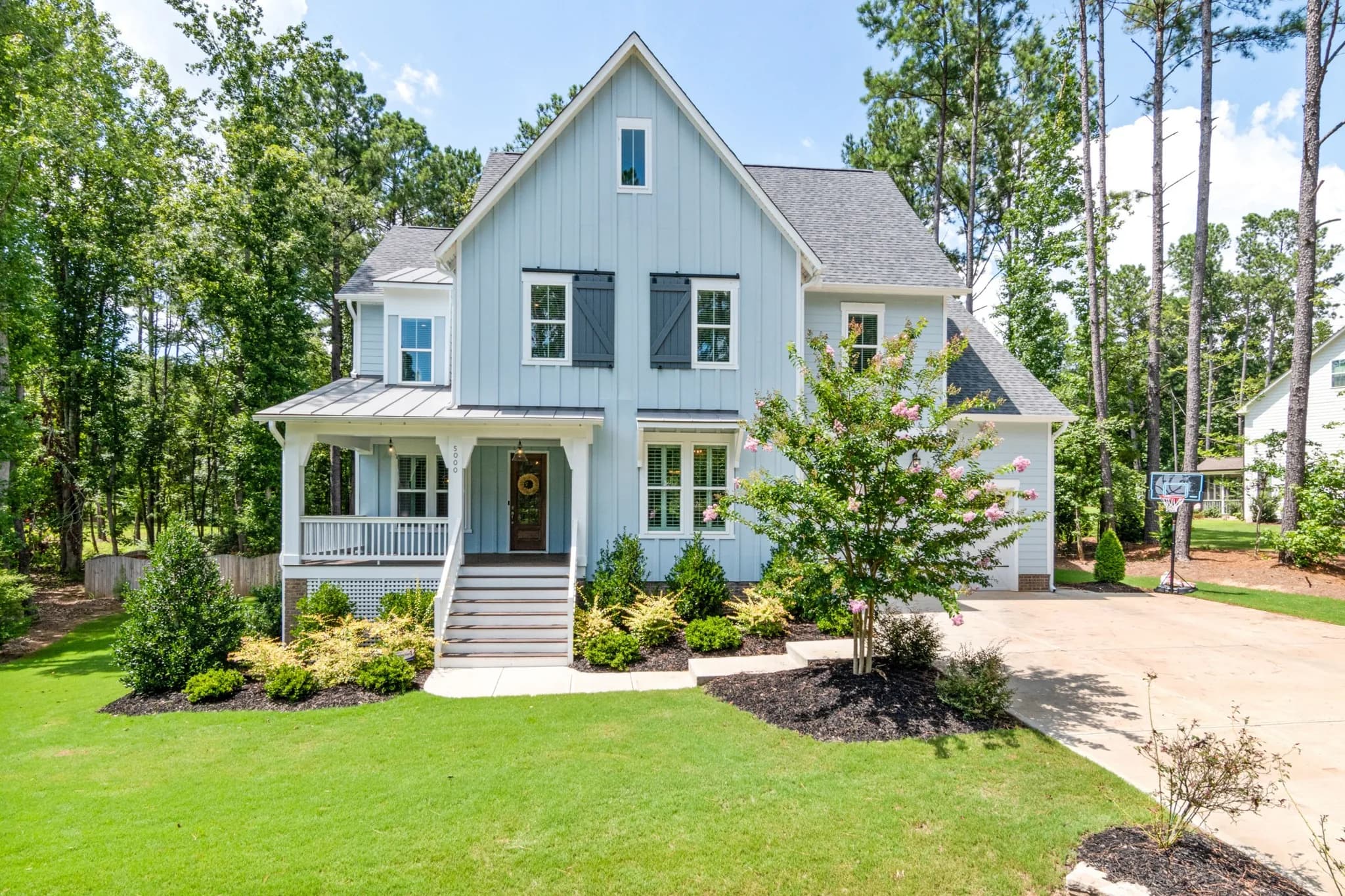
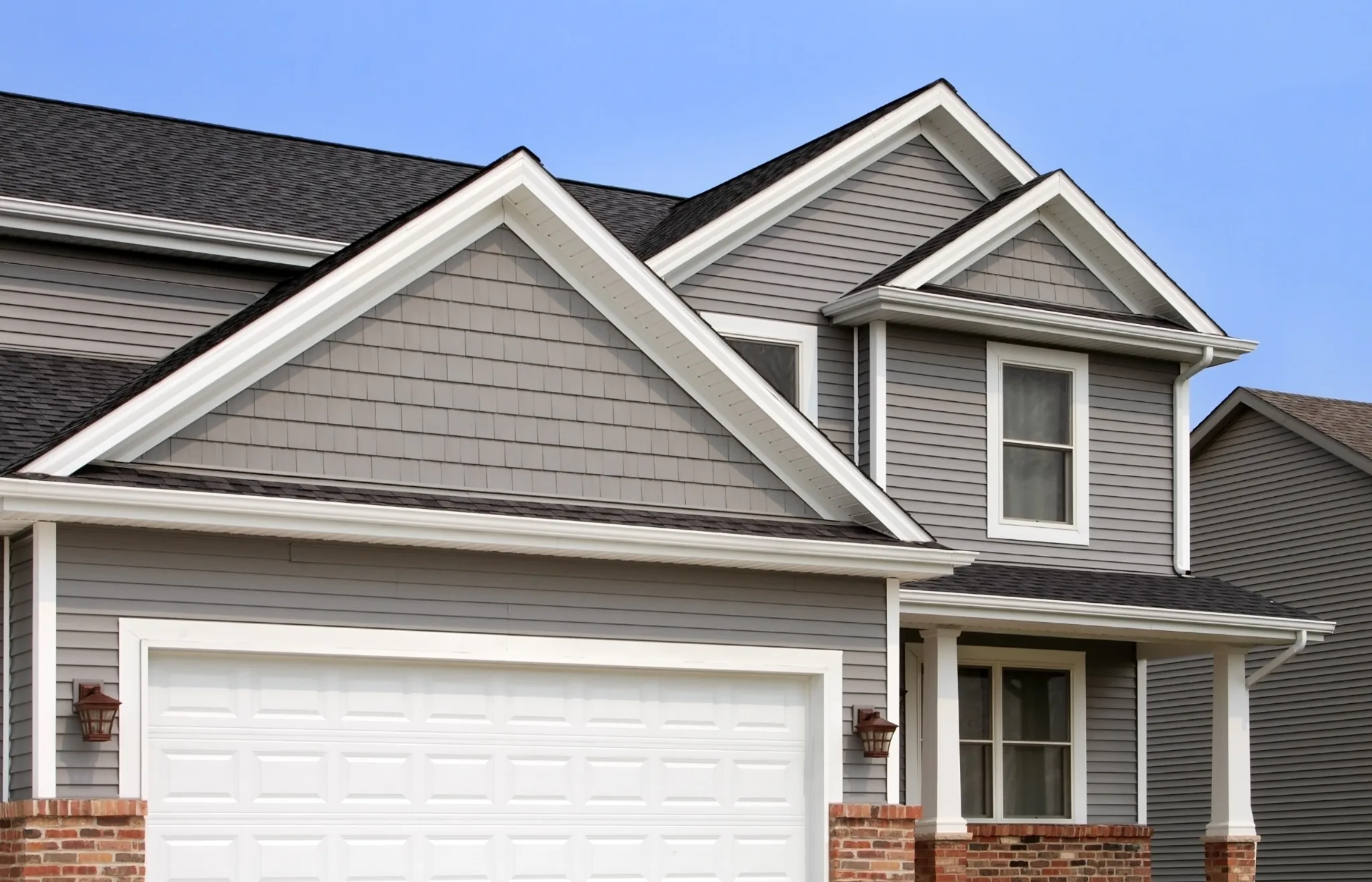
Wide range of profiles, including lap, Dutch lap, board-and-batten, and shakes
Insulated vinyl (with a foam backing) adds some rigidity and a bit of energy benefit
Cons
Can become brittle in extreme cold and crack when struck
Can warp from concentrated sunlight reflected off a neighbor's low-E windows
Dark colors require products designed for them, or they can distort in summer heat
Seams and overlaps are more visible than on other materials
Our take: thicker, premium-grade or insulated vinyl is a smart value choice for many homes, especially when the budget needs to stretch to windows or a roof too. Avoid the thinnest builder-grade panels. They're the ones that crack and wave.
Fiber cement siding
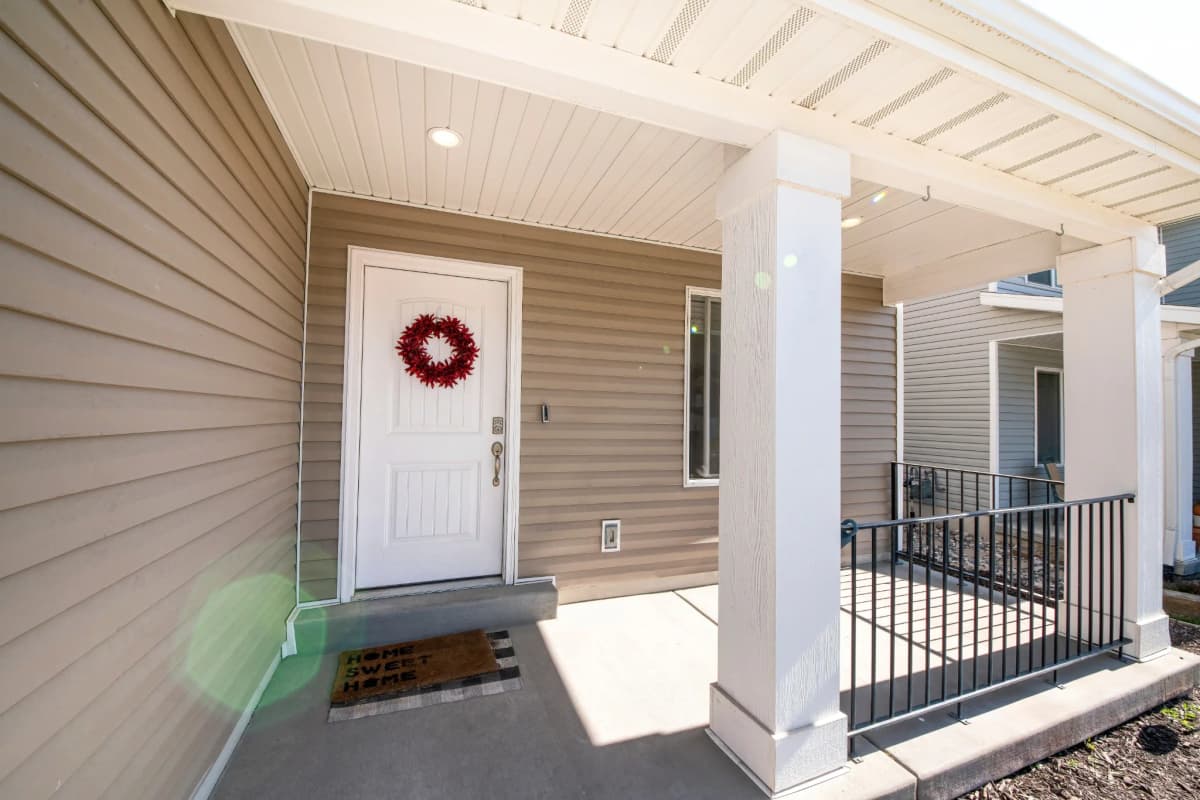
Fiber cement is made of cement, sand, and wood fibers. James Hardie is the best-known brand. Its HZ5 product line is engineered specifically for climates with freeze-thaw cycles and snow, like ours.
Pros
Very durable, and it resists hail, woodpeckers, insects, and rot
Noncombustible
Crisp, substantial look that reads like painted wood
Factory-applied finishes hold their color for many years
Cons
Heavy, and it takes more labor and specialized tools to install
Costs more than vinyl
Will eventually need repainting (factory finishes stretch that out considerably)
Unforgiving of installation shortcuts: cut edges and required clearances above roofs, decks, and the ground are what keep it from absorbing water
Engineered wood siding
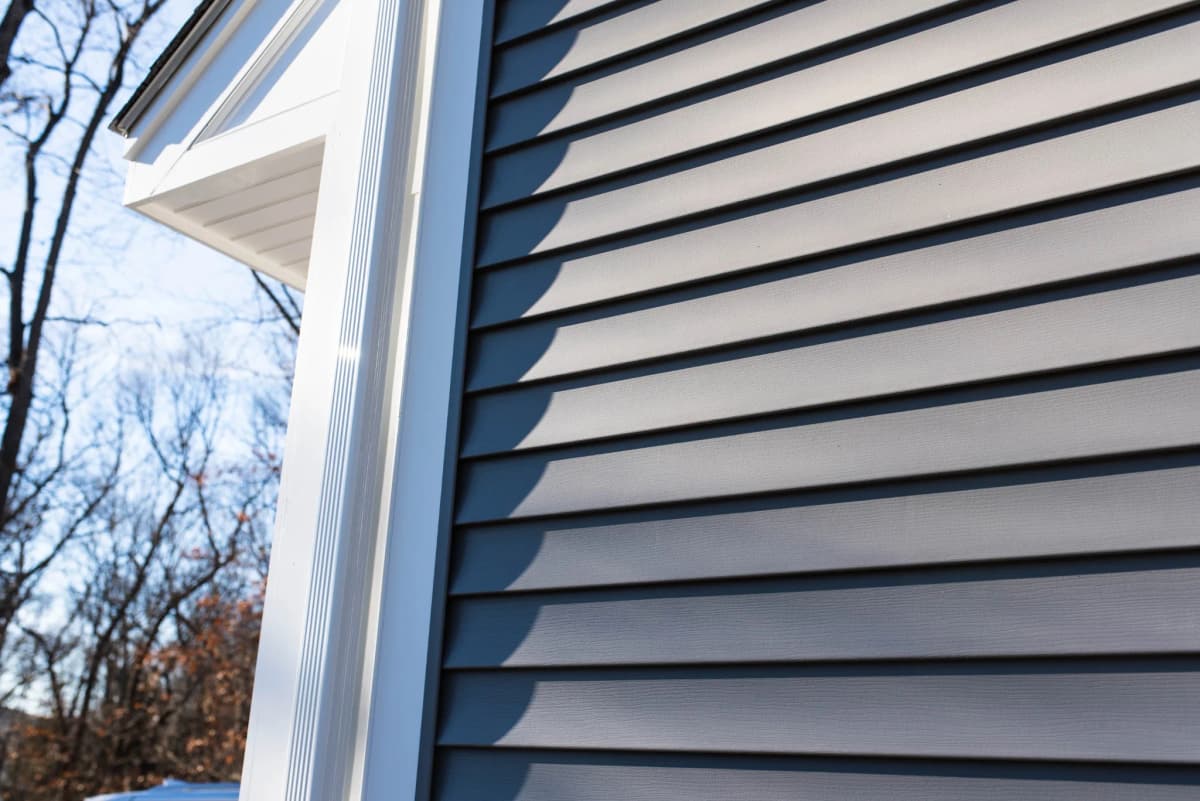
Engineered wood (LP SmartSide is the most common) is made from wood strands bonded with resins and treated to resist moisture and insects.
Pros
Excellent impact resistance, which helps a lot in hail country
Lighter than fiber cement, with long boards that mean fewer seams
Authentic wood-grain texture
Available prefinished in many colors
Cons
Cut ends must be sealed, and clearances followed, to keep moisture out
Needs periodic repainting, like fiber cement
Performance depends heavily on installation quality
Steel siding
Steel siding has a loyal following in the Upper Midwest. It's tough, won't crack in the cold, and holds its finish well. It can dent from hard impacts, and dented panels have to be replaced rather than repaired. It's worth considering if you want very low maintenance and a clean look.
Cedar and natural wood
Nothing looks quite like real cedar, but it asks the most of you: regular staining or painting, and in some neighborhoods, woodpecker damage. We generally recommend real wood for accents like gables, entries, and porch ceilings rather than whole-house siding.
What matters more than the material
The best siding in the world will fail if the wall behind it isn't built right. When comparing siding installation quotes, ask about:
Removing the old siding. A full tear-off lets the crew inspect and repair the sheathing underneath instead of covering up rot.
Weather-resistive barrier. A properly lapped and taped housewrap is your wall's second line of defense.
Flashing. Especially around windows and doors, where decks attach, and "kick-out" flashing where a roof edge meets a wall. These spots cause more water damage than anything else.
Clearances. Keeping siding off the roof surface and a proper distance above the ground and decks.
Insulation. Siding replacement is the easiest time to add continuous rigid insulation to the outside of the walls.
Plan windows and siding together
If your windows are also getting old, replacing them at the same time as the siding lets them be flashed and integrated with the new weather barrier the right way. It's usually more efficient than doing the two projects years apart. See our Minnesota replacement window guide for help choosing.
Our general recommendation
Best value: premium or insulated vinyl
Best long-term durability and curb appeal: fiber cement or engineered wood
Best of both: vinyl or engineered wood on the main walls with board-and-batten, shakes, or stone accents on gables and entries
Want to see what fits your home? Explore our siding services or request a free estimate.