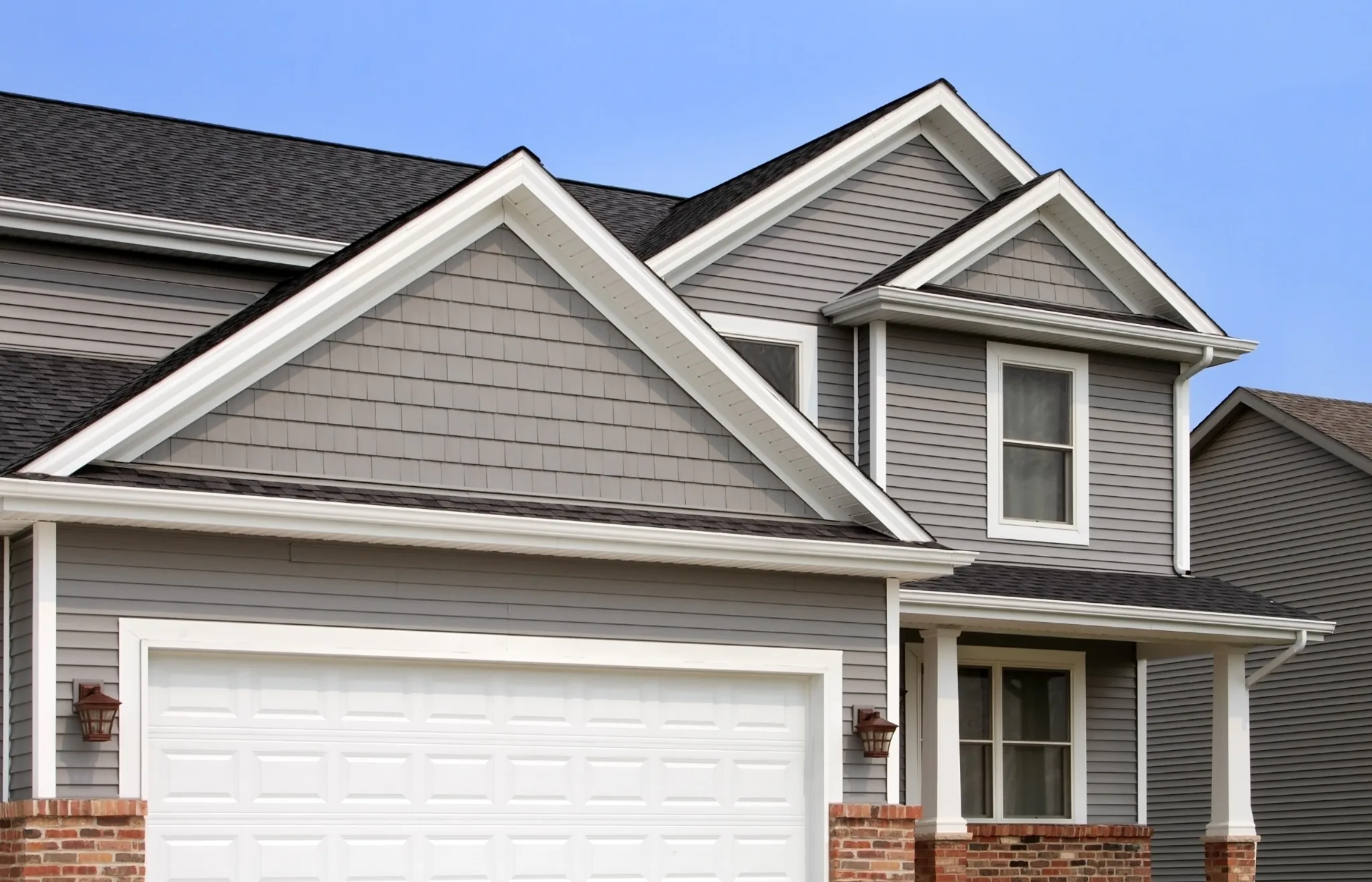
A fresh exterior paint job is one of the fastest ways to transform how a home looks. It also protects wood siding and trim from Minnesota's weather. But our short painting season and big temperature swings are hard on paint, and a job that's rushed or poorly prepared can start peeling within a couple of years. Here's what makes the difference.
When to paint in Minnesota
The exterior painting season here generally runs from late spring through early fall. Within that window, timing each day matters too.
Follow the label. Every paint lists a minimum temperature for application, and that applies to both the air and the surface being painted. Overnight lows matter as much as the afternoon high, because paint keeps curing after you put the brush down.
Watch the dew. Start after morning dew has dried. In fall, stop early enough that the paint can set before evening dew arrives.
Avoid direct, hot sun on the wall being painted. Paint that dries too fast doesn't bond well and shows lap marks. Many crews follow the shade around the house.
Skip rainy stretches. Fresh paint needs dry weather to cure.
In practice, late spring and late summer into early fall often give the most reliable painting weather.
Prep is most of the job
The most important part of a lasting paint job happens before any paint is applied.
Wash. Dirt, mildew, and chalky old paint keep new paint from bonding. Wash gently. Aggressive power washing can force water into siding and damage wood.
Scrape and sand. Remove all loose and peeling paint, and feather the edges so they don't show through the new coat.
Repair or replace rotted wood. Window sills, trim near the roofline, the bottom of door and garage jambs, and boards near the ground are common trouble spots. Painting over rot just hides it.
Prime. Bare wood, repairs, and stains need primer before paint.
Caulk the right gaps. Seal gaps around windows, doors, and trim. Don't caulk the bottom edges of lap siding. Those overlaps need to let moisture escape.
Older homes and lead paint. Homes built before 1978 may have lead-based paint. Disturbing it by scraping or sanding creates hazardous dust. Contractors working on these homes must be EPA lead-safe certified and follow lead-safe work practices.
Choosing paint and stain
Use a high-quality 100% acrylic exterior paint. It stays flexible through freeze-thaw cycles and resists cracking and peeling better than cheaper blends. With paint, you really do get what you pay for.
Choose the right sheen. A satin or low-luster finish is common for siding, since it hides imperfections and sheds dirt. Semi-gloss works well on trim and doors, where durability and a little shine help.
Consider stain for wood. For cedar siding, solid-color stains offer a painted look that doesn't peel the same way. Semi-transparent stains show the grain but need more frequent reapplication.

Picking colors
Test before you commit. Paint large sample swatches on more than one side of the house and look at them in morning and evening light. Colors look very different outdoors than on a chip.
Think about the whole palette. Pick the body, trim, and accent colors (front door and shutters) together. Consider your roof color, stone or brick, and neighborhood.
Be careful painting vinyl siding dark. Dark colors absorb heat and can warp vinyl. If you're painting vinyl, use a paint line with vinyl-safe color formulations.
Expect dark and bold colors to fade faster, especially on south- and west-facing walls.
Check HOA rules if you have them.
How long will it last?
It depends on prep, product quality, and exposure. Walls facing south and west take the most sun and weather, and usually show wear first. Many homeowners find they can touch up the hardest-hit sides and trim in between full repaints, which stretches the life of the whole job.
Keep it looking fresh
Gently wash the exterior once a year to remove dirt and mildew
Keep gutters clean so water doesn't sheet down the walls
Trim shrubs and trees back from the house to allow airflow
Touch up chips and cracks before water gets behind them
Check caulking around windows and doors each spring
Paint or replace?
Paint protects sound materials, but it can't fix failing ones. If boards are rotting, siding is warped or cracked, or paint peels right back off within a season or two, it may be time to look at new siding. Our guide to the best siding for Minnesota homes compares the options.
Indoor projects for the off-season
When the exterior season ends, interior painting picks up. Refreshing walls, ceilings, trim, or cabinets is a great winter project.
See our interior and exterior painting services, or request a free estimate.