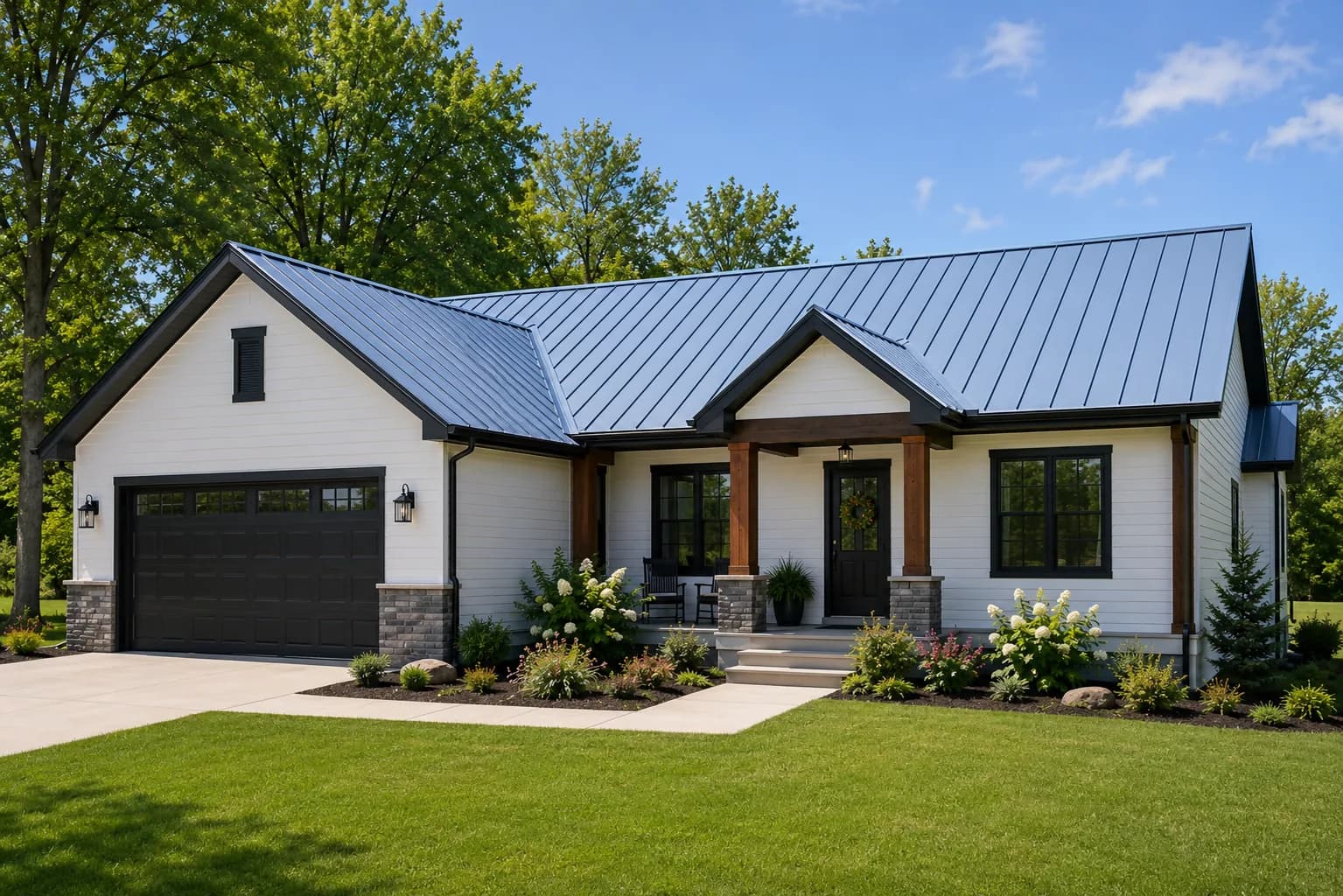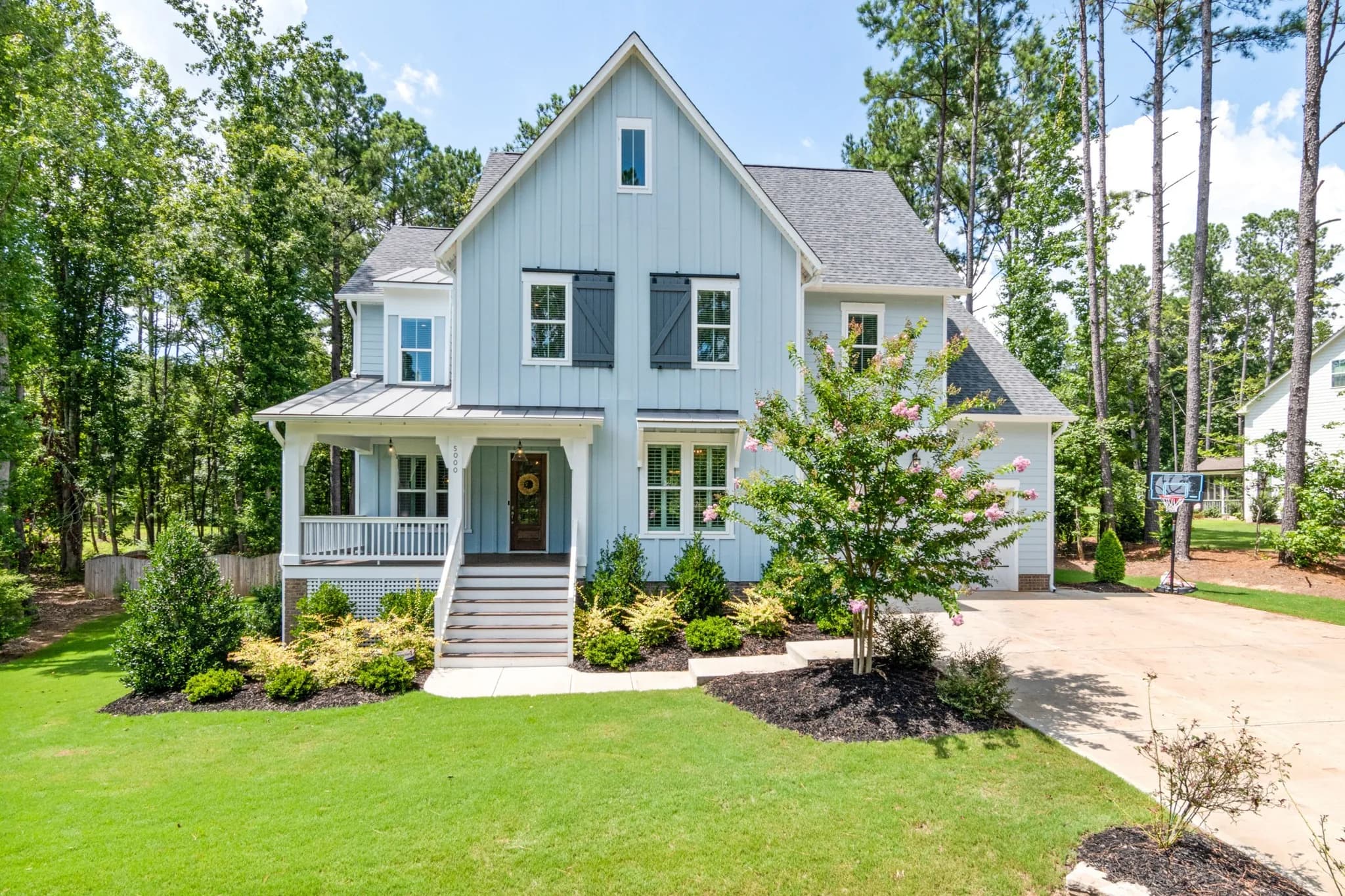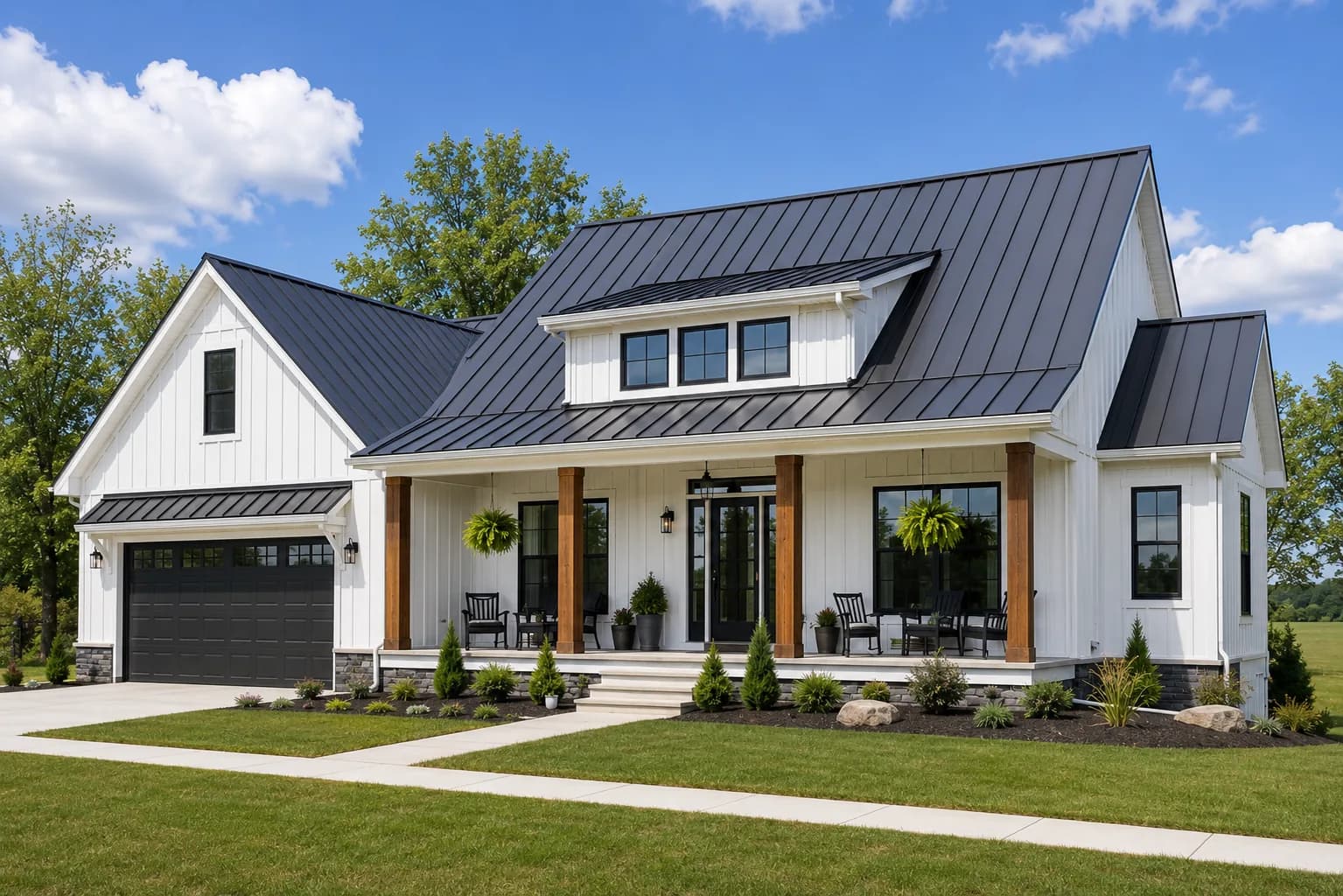
When a roof reaches the end of its life, the first big decision is what goes back on. For most homes in Forest Lake and the North Metro, that comes down to two choices: asphalt shingles or metal. Both can handle a Minnesota winter when they're installed correctly. Where they differ is in cost over time, how they deal with snow and hail, and the look they give your home.
Here's how we'd think through the choice.
The short answer
Choose architectural asphalt shingles if you want the best value up front, you may move in the next decade or two, or your home's style calls for a traditional roof.
Choose standing seam metal if you plan to stay for the long haul, want the longest-lasting roof you can buy, or have a modern farmhouse, cabin, or lake home where metal fits the architecture.
Either way, what goes under the roof covering (the ice barrier, ventilation, and attic insulation) matters as much as the material you can see.
Asphalt shingles: the Minnesota standard
Most roofs in the Twin Cities are asphalt, and for good reason. Today's architectural (also called dimensional or laminated) shingles are thicker than the old flat three-tab style, stand up better to wind, and add real texture and shadow to a roofline.
What they do well
Lowest up-front cost of any durable roofing
Wide range of colors that suit almost any home
Easy to repair after storm damage, and every inspector and buyer knows what they're looking at
Where they fall short
A shorter service life than metal, especially on roofs with poor attic ventilation, which cooks shingles from below
Granules wear off over time, and hail can bruise or crack them
More vulnerable to leaks from ice dams if the eaves aren't properly protected
Worth a look: impact-resistant shingles. Hail is a regular part of Minnesota summers. Shingles rated Class 4 for impact resistance (tested under the UL 2218 standard) hold up noticeably better than standard shingles. Some insurance companies offer a premium discount for Class 4 roofs, so call your agent before you choose. The savings can help offset the higher material cost.
Metal roofing: a longer life with different trade-offs
"Metal roof" covers two very different products, and it's worth knowing which one you're being quoted.
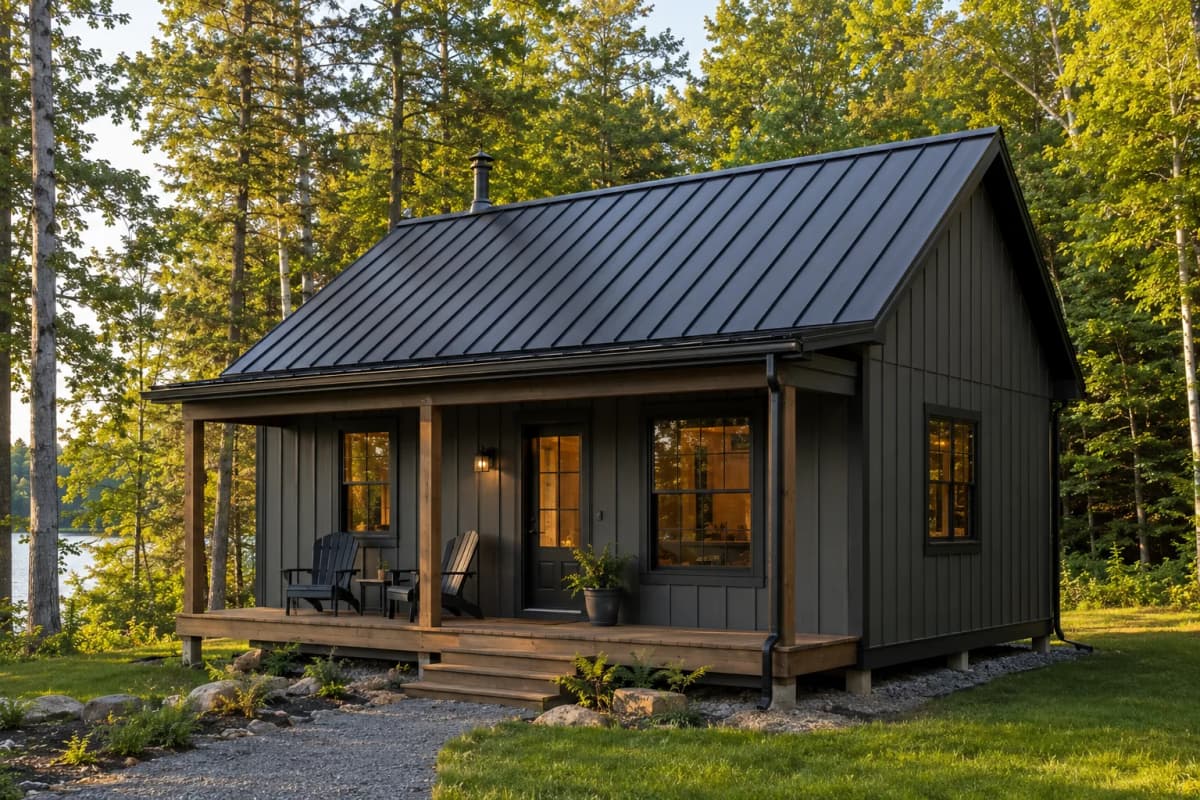
Standing seam panels run from the ridge to the eave, with raised seams joining the panels and fasteners hidden underneath. This is the premium option: clean lines, no exposed screws to maintain, and the longest lifespan of any common residential roof.
Exposed-fastener panels (often called screw-down or ag panels) are screwed through the face of the metal. They cost less and are common on cabins, garages, and outbuildings. The trade-off is maintenance: the rubber washers on each screw break down over time and need to be checked and eventually replaced.
What metal does well
Sheds snow instead of holding it, which reduces the load on your roof
Resists fire, rot, and wind, and won't lose granules
A well-installed standing seam roof can outlast two or three shingle roofs
What to plan for
Snow slides. Snow comes off a metal roof in sheets, sometimes all at once. Snow guards are a must above entry doors, walkways, decks, driveways, lower roofs, and gas meters.
Hail dents. Metal resists punctures from hail but can dent. Ask your insurer how your policy treats cosmetic damage to metal roofing.
Noise. A metal roof installed over solid roof decking with underlayment isn't noticeably louder than shingles. The loud "barn roof" sound comes from metal fastened over open framing.
How each handles Minnesota's biggest roof problems
Ice dams
Ice dams form when heat escaping from the living space warms the roof deck and melts the snow on top. The water runs down to the cold eaves, refreezes, and backs up under the roofing. Metal sheds snow sooner, which helps, but neither material fixes the root cause. The real fix is in the attic: sealing air leaks from the house, adding insulation, and balancing ventilation with intake at the soffits and exhaust at the ridge.
Any new roof in Minnesota should also include an ice-and-water barrier membrane along the eaves and in the valleys. It's a self-sealing layer under the roofing that keeps backed-up water out of the house. For more on spotting this problem, see our guide to signs you need a new roof.
Hail
Class 4 shingles and metal both outperform standard shingles. With shingles, the question is whether hail breaks the mat and lets water in. With metal, it's usually about dents: the roof keeps working, but it doesn't look as good.
Heavy snow
Both materials handle Minnesota snow loads when the roof structure is sound. Metal's advantage is that snow rarely stays long. The flip side is that you need to plan where that snow lands.
Cost over the life of the roof
Metal costs more to install, often significantly more. Shingles cost less now but will likely need replacing again sooner. The fair comparison is cost per year of service, weighed against how long you realistically plan to stay in the home.
If you're likely to sell within a few years, a new architectural shingle roof gives buyers the same peace of mind for less money. If this is your long-term home or your cabin, the math often favors standing seam.
Which homes suit which roof
Traditional two-story, colonial, and split-level homes: architectural shingles are the natural fit. A popular hybrid is shingles on the main roof with standing seam accents on a porch roof, bay window, or entry.
Modern farmhouse, cabin, and lake homes: standing seam is often the right choice for both looks and longevity.
Low-slope sections: shingles need a minimum roof pitch to shed water properly. Standing seam can be installed on shallower slopes, which makes it useful over porches and additions.
Homes in an HOA: check your covenants before you fall in love with a material or color.
Questions to ask any roofing contractor
Is your company licensed as a residential building contractor in Minnesota? (You can verify any license on the Minnesota Department of Labor and Industry website.)
Will you tear off the old roofing so the decking can be inspected, or roof over it?
What's the plan for the ice-and-water barrier, underlayment, and attic ventilation?
Will the installation meet the manufacturer's requirements for the full warranty?
For metal: where will the snow guards go, and what kind of panel and seam are you quoting?
Talk it through with us
The right roof depends on your home, your budget, and how long you plan to stay. If you're weighing metal against shingles, our roofing team can look at your roof and attic and walk you through the options. Request a free estimate to get started.